“The brighter tomorrow is not one where we compete with machines. It is one where the machines do the work and we get our lives back.”
Professor Sam Illingworth | Creator of Slow AI
1. Tell us about you.
I started in atmospheric physics. Satellites, greenhouse gases, measuring what the planet was doing to itself.
Then I moved into science communication, then creative pedagogies, and now I spend most of my time thinking about what AI is doing to how we learn, think, and relate to each other.
I’m a professor at Edinburgh Napier University in Edinburgh. I write poetry. I’ve had work performed by the Royal Shakespeare Company and at the Edinburgh Fringe.
I built four games about AI literacy that have been played thousands of times. I run a 12-month accredited CPD programme teaching people when to use AI and when to leave it alone.
Before any of that, I was a model for a Japanese skateboard magazine, which is probably the most interesting thing about me.
2. How does the cover photo capture who you are?

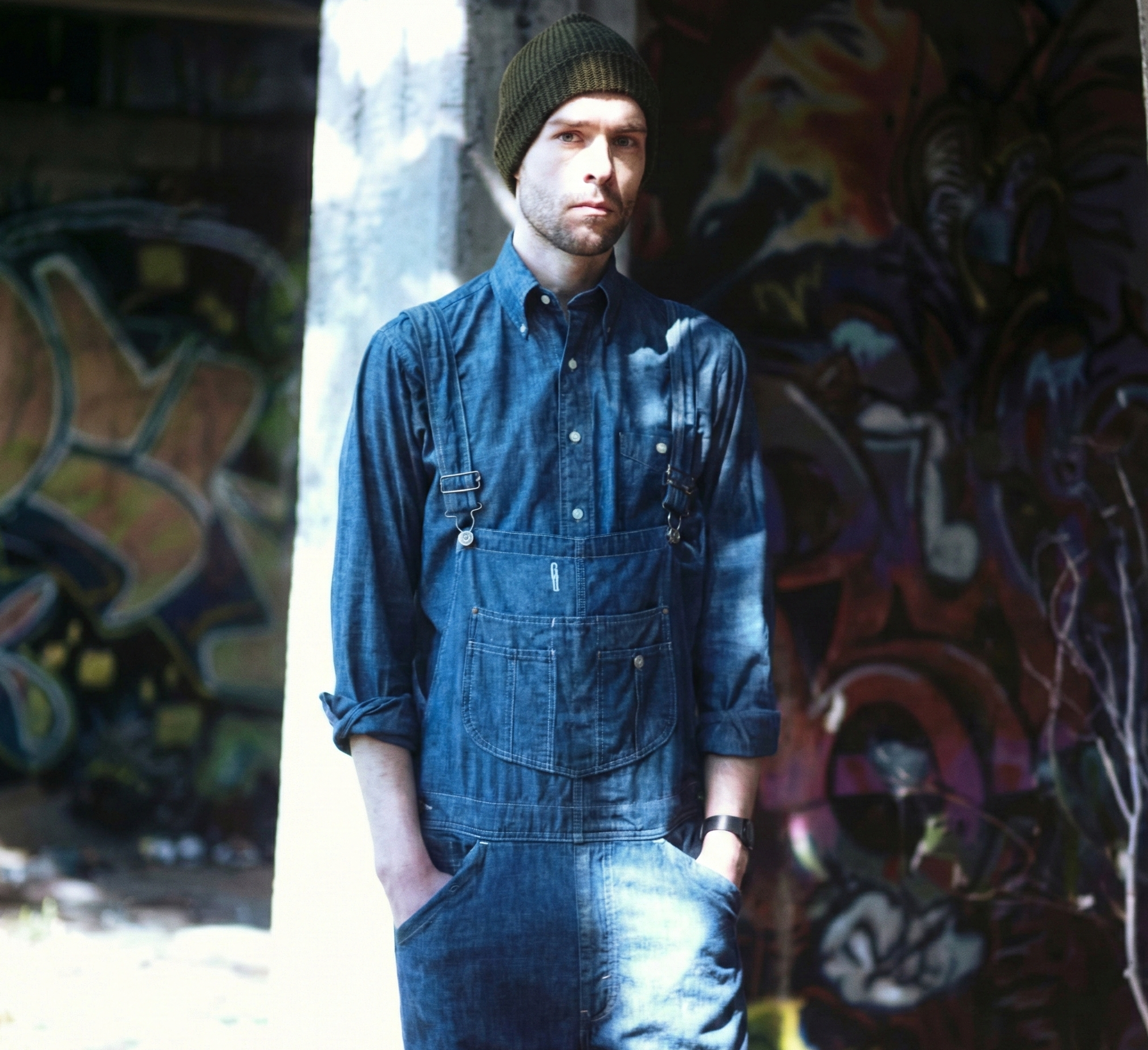
It’s from 2012. A Japanese skateboard magazine shoot. Denim overalls, a beanie, graffiti behind me.
It has nothing to do with AI or academia and that’s the point. I had a life before AI became the only thing anyone wanted to talk about. I’ll have one after. The photo reminds me of that.
It also looks nothing like what people expect from someone who writes about critical AI literacy, which is exactly why I like it.
3. In one sentence, what are you trying to change?
I want people to stop outsourcing their judgement to machines and start trusting themselves again.
4. What did you notice was broken that made you start writing?
The AI conversation was stuck between two camps: people who thought it would save the world and people who thought it would end it. Both were wrong and both were loud.
Nobody was asking the question I cared about: what is this actually doing to the way we think? Not in ten years. Now.
I started writing because I couldn’t find anyone saying what I wanted to read.
5. If you could manifest a brighter tomorrow, what would be different by 2030?
AI actually does automate most of our jobs. And because it does, we get universal basic income.
People are freed up to be creators and humans. Not optimised workers. Not prompt engineers. People with time to think, make things, and be with each other.
The brighter tomorrow is not one where we compete with machines. It is one where the machines do the work and we get our lives back.

6. How would your closest friends describe you?
Direct. Impatient. Loyal to a fault. Funnier than the writing suggests. Terrible at small talk. Good in a crisis. Will argue with you about something you said three weeks ago if he thinks you were wrong.

7. What’s a challenge that changed how you see the world?
Moving from physics to the humanities.
In physics, you measure things and the measurement settles the argument. In the humanities, you sit with ambiguity and the ambiguity is the point.
That shift broke something in me and rebuilt it better.
I stopped needing to be right and started needing to be precise. Those are not the same thing.
8. What are you most proud of right now?
12,500 subscribers in nine months from zero. The thing I’m proud of is not the number. It is that almost every subscriber found Slow AI because someone they trusted told them about it.
9. On hard days, what kind of signal from your readers keeps you going?
When someone tells me the work changed something real.
Karen Spinner, an AI builder and fellow Stacker whose work I respect greatly, wrote to me:
“I hope [your ideas on critical AI literacy] are widely adopted before my kids reach college age.”
That is a parent saying this work matters for her children’s future. Not that she liked the post. Not that it made her think. That she wants it to exist in the world her kids grow up in.
That is the signal that keeps me going.
10. For people who haven’t seen your work yet, what article would you want them to read first and why?
The Claude Code post. How AI Agents Are Changing Academic Research (and How to Use Them Well)
I showed academics how I use an AI agent to stress-test my own research: peer review simulations, security audits, hostile content scanning. Not to write the work. To interrogate it.
That post got 186 likes and 113 comments (and counting). It proved that people do not want to be told how to use AI. They want to see someone using it critically and honestly, including the parts where it fails.
BONUS Q: If you could recommend another writer to be featured on Not Rising, who would it be and why?
Rebecca Wicker at The Strategic Linguist. Brilliant, bold, kind, and the kind of writer who stays with me for weeks after I have finished reading.
